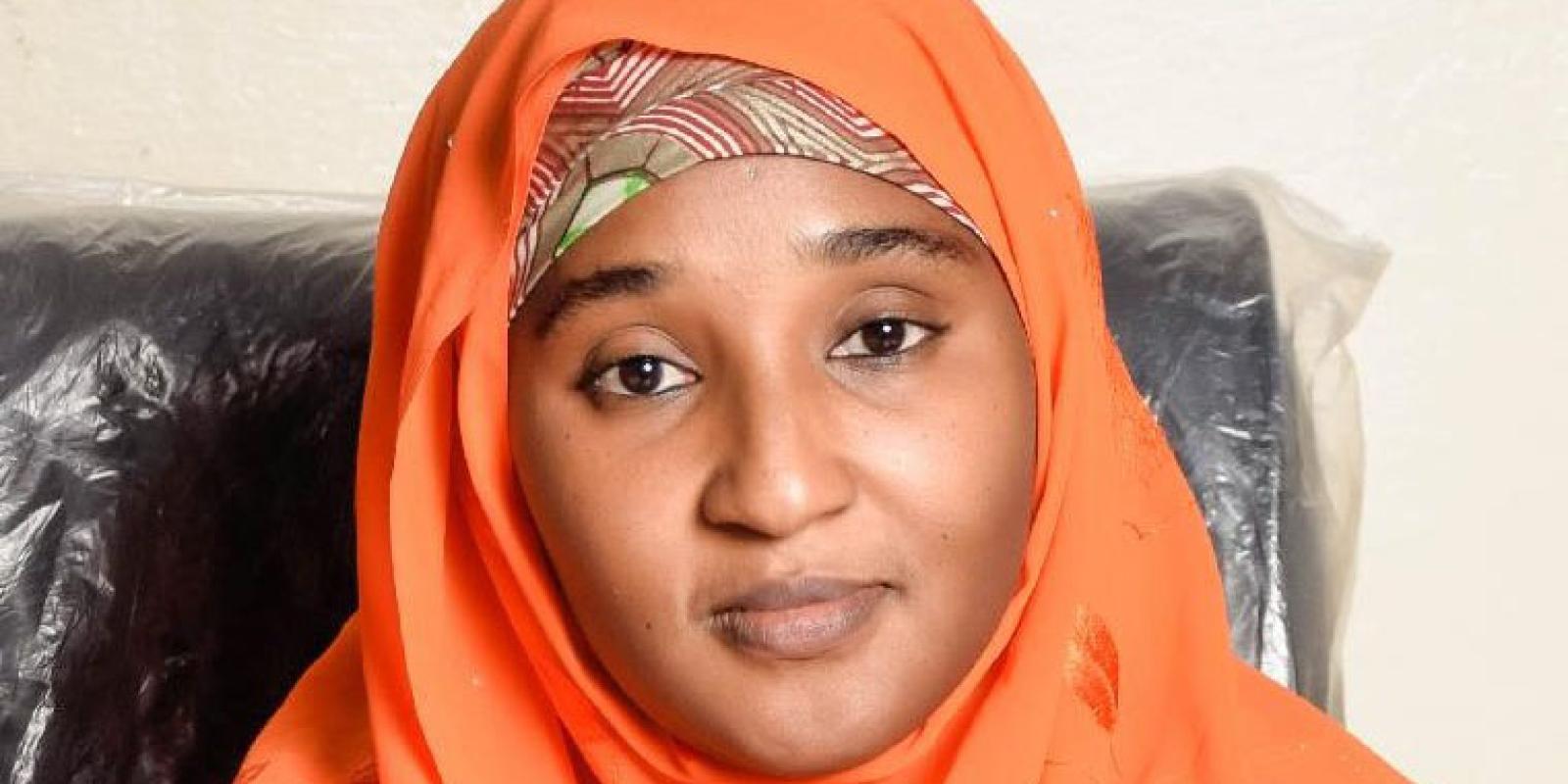
TPP Associate appointed Education Minister in Nigeria
We are delighted to announce that our longstanding Associate Dr Suwaiba Ahmad who has been appointed by Nigeria's President as the new Federal Minister of State Education.
Suwaiba has been working in the field of education for nearly two decades. She is a gender advocate and the Director of Bayero University's Centre for Gender Studies in Kano, Northern Nigeria, where she was recently promoted to Professor. Her consultancy portfolio centres on governance and development, in the areas of political economy and institutional analysis, policy planning, development and strategy, capacity building and training.
Suwaiba has been working with TPP to provide advice to the UK's Partnership for Learning for All in Nigeria education programme. She also contributed to TPP's flagship report on 20 years of UK governance programming in Nigeria, in particular the case study of Jigawa state, where she was born.
We wish her all possible success. From our experience of working closely with her, we know that she will bring a combination of hard work, personal integrity, passion for education and political realism to her new role.
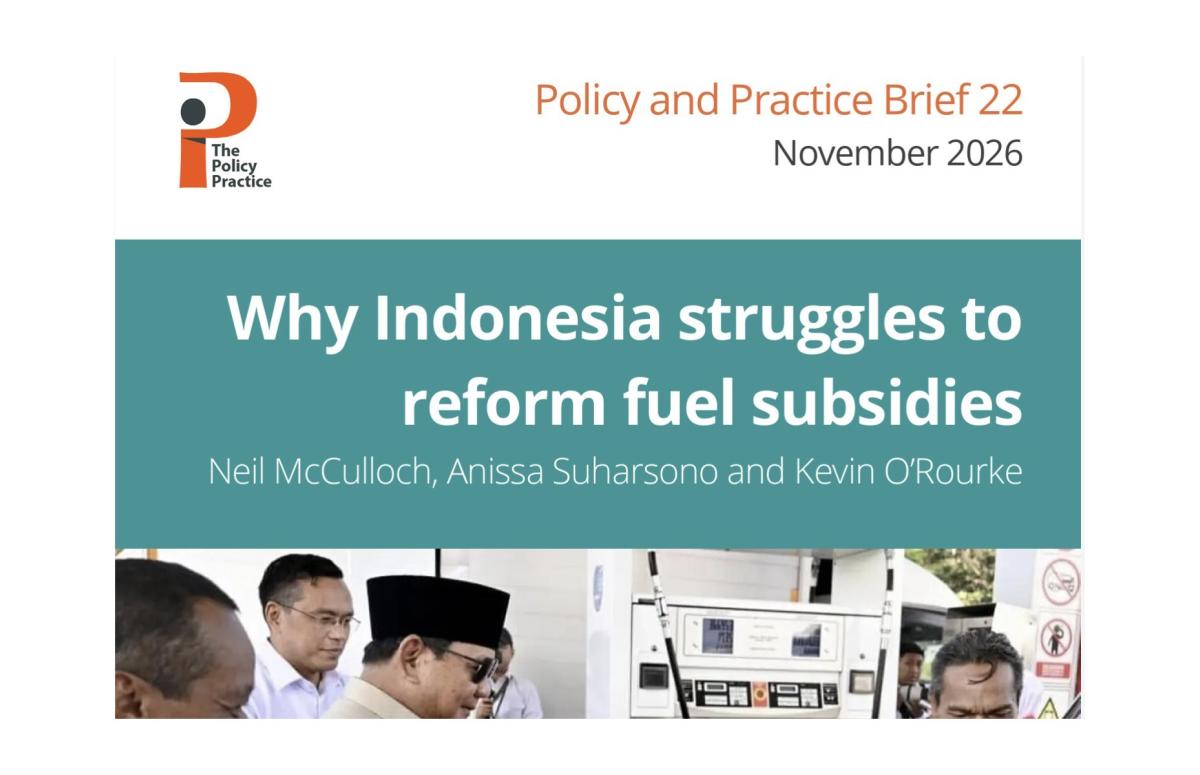
New Policy and Practice Brief on Indonesian fuel subsidies
In our latest Policy and Practice Brief, TPP Director Neil McCulloch, Anissa Suharsono and Kevin O’Rourke explain why Indonesia still spends so much on fossil fuel subsidies and why reform is so hard. They show how reform could still happen, and what those who want change can do.
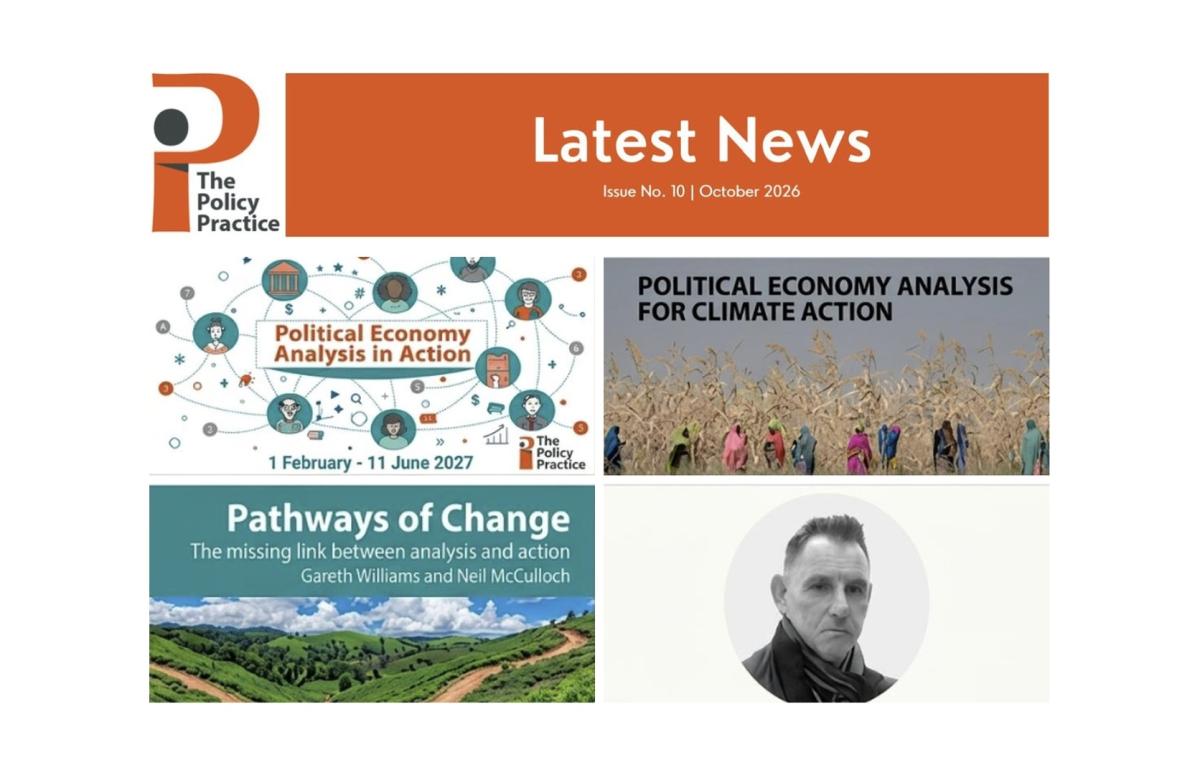
Latest Newsletter from TPP - October 2026
In our latest newsletter: a new Brief on pathways of change, our FCDO Sahel Technical Support Project, two PEA courses open for applications, an updated Online Library, and Steve Fraser appointed as our latest Principal.
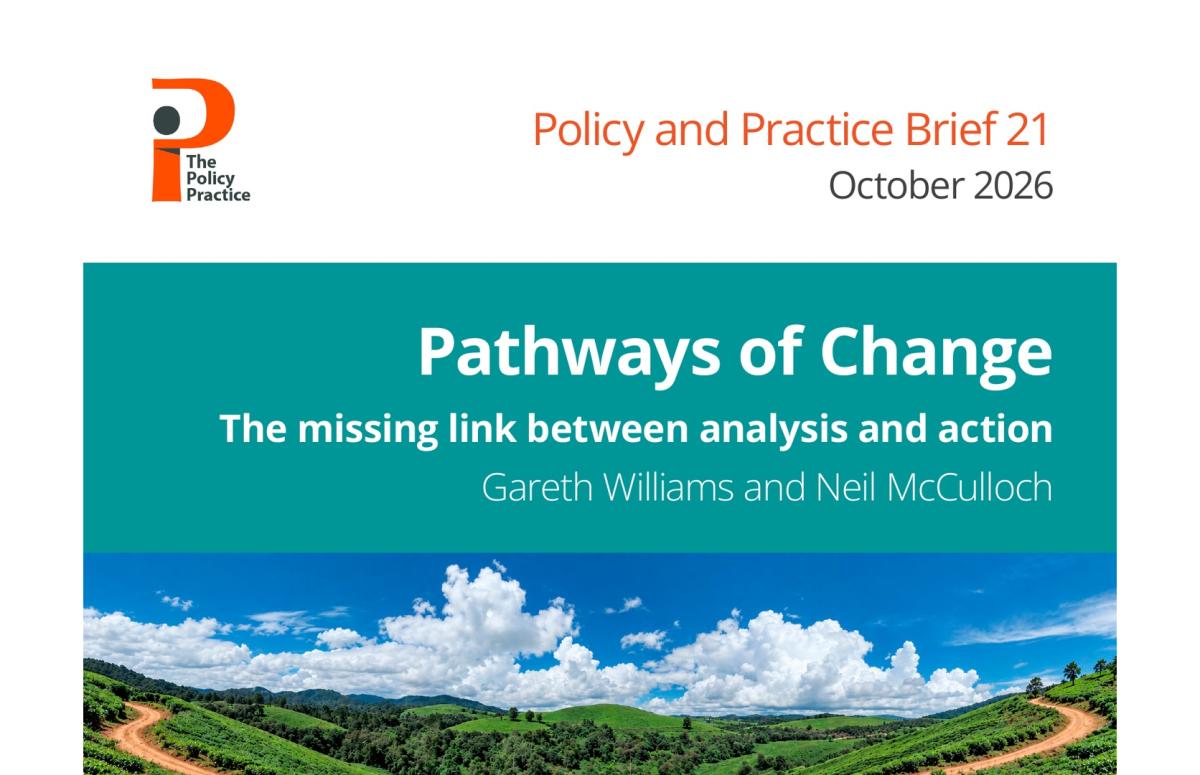
Policy and Practice Brief 21: Pathways of Change
Our new Policy and Practice Brief by TPP Directors Gareth Williams and Neil McCulloch sets out the Pathways of Change framework, a practical link between political economy analysis and action. Using examples from Ghana and Thailand, it shows how external partners can support change driven by domestic actors, based on a realistic analysis of how change might happen.