New Policy and Practice Brief on Indonesian fuel subsidies
Indonesia still spends billions on fossil fuel subsidies. There have been many studies of the economic and environmental damage caused by these subsidies, but the subsidies continue. In our new Policy and Practice Brief, TPP Director Neil McCulloch, Anissa Suharsono and Kevin O’Rourke look at why Indonesia struggles to reform fuel subsidies.
They spoke to officials, traders, politicians and analysts in Jakarta earlier this year. Respondents explained that there are three reasons why subsidy reform is so hard: cheap fuel fits President Prabowo’s view of what the state should do for its people, and he isn’t easily moved on it; raising fuel prices is politically risky for the government; and some powerful players, especially in the biofuel industry, do well out of the current system.
That doesn’t mean reform is impossible. Using our Pathways of Change approach, the authors sketch out how it might still happen, whether through a fiscal crisis, people close to the president shifting the narrative, or new technology that makes targeting easier. They finish with some practical ideas for actors who want to see change
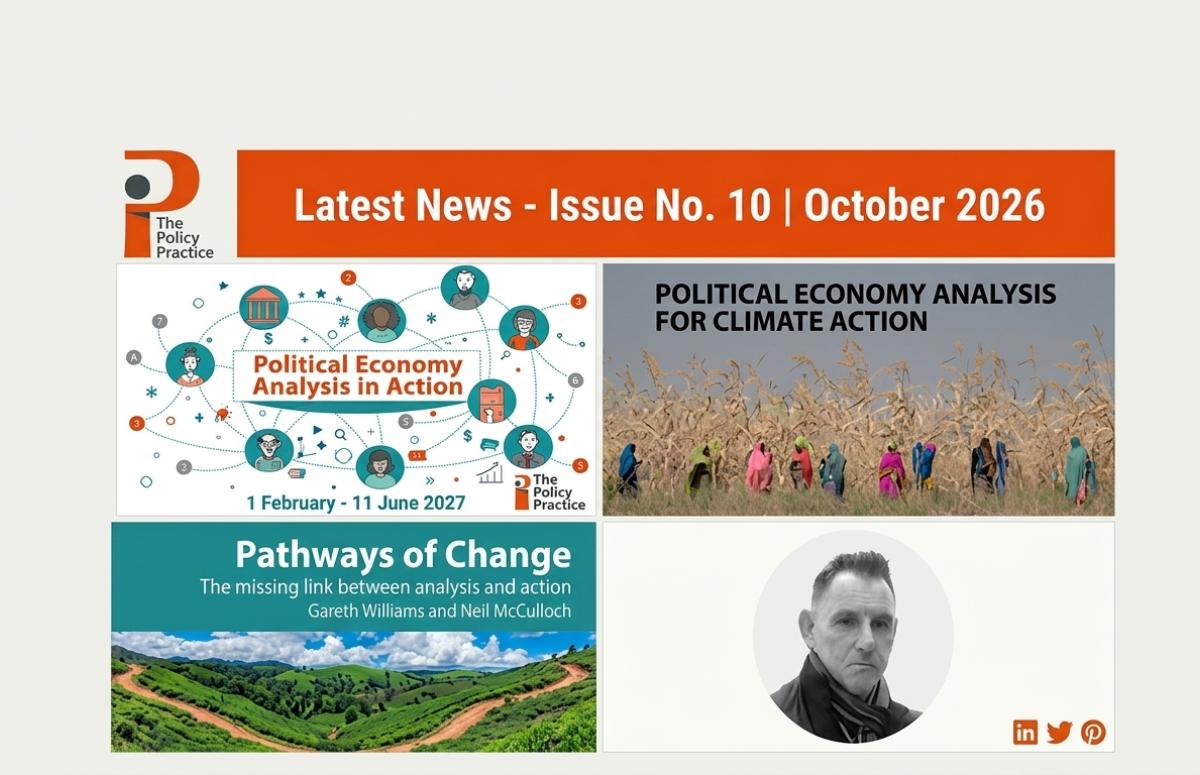
Latest Newsletter from TPP - October 2026
In our latest newsletter: a new Brief on pathways of change, our FCDO Sahel Technical Support Project, two PEA courses open for applications, an updated Online Library, and Steve Fraser appointed as our latest Principal.
Policy and Practice Brief 21: Pathways of Change
Our new Policy and Practice Brief by TPP Directors Gareth Williams and Neil McCulloch sets out the Pathways of Change framework, a practical link between political economy analysis and action. Using examples from Ghana and Thailand, it shows how external partners can support change driven by domestic actors, based on a realistic analysis of how change might happen.
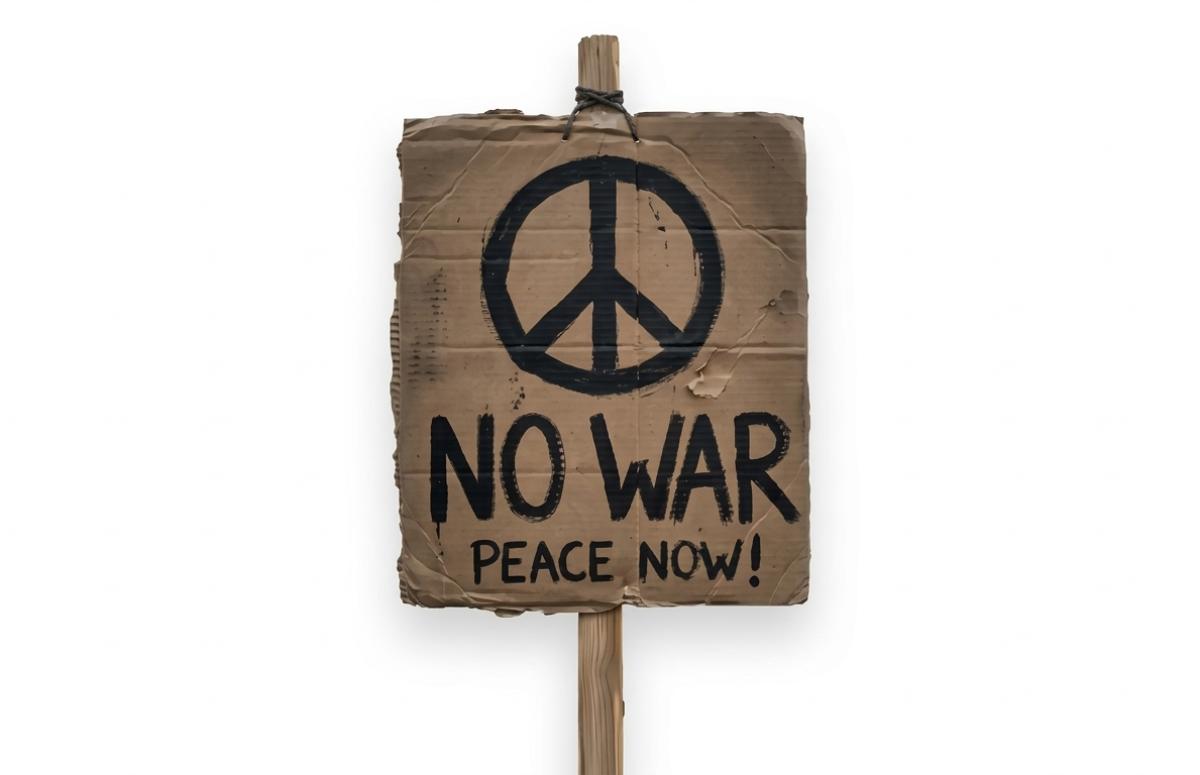
Can we still achieve peace?
On the day US troops formally withdrew from Iraq, TPP Principal Niki Palmer asks if we can still achieve peace and suggests how to improve peacebuilding interventions.