Policy and Practice Brief 21: Pathways of Change
Our new Policy and Practice Brief, by TPP Directors Gareth Williams and Neil McCulloch, tackles a common challenge: development programmes often jump from analysing a problem straight to proposing solutions, without asking how change is actually likely to happen.
The brief sets out the Pathways of Change framework, which we use in our applied political economy work. The idea is simple. First, work out how an outcome could realistically come about, driven by domestic actors and politics (the "pathways of change"). Only then decide how donors, diplomats or investors might help ("interventions" to support the pathways).
Gareth and Neil illustrate the approach with two examples: the growth of solar power in Ghana and the European Union’s role in reforming Thai fisheries. They also explain how to test whether a pathway holds up before committing resources to it.
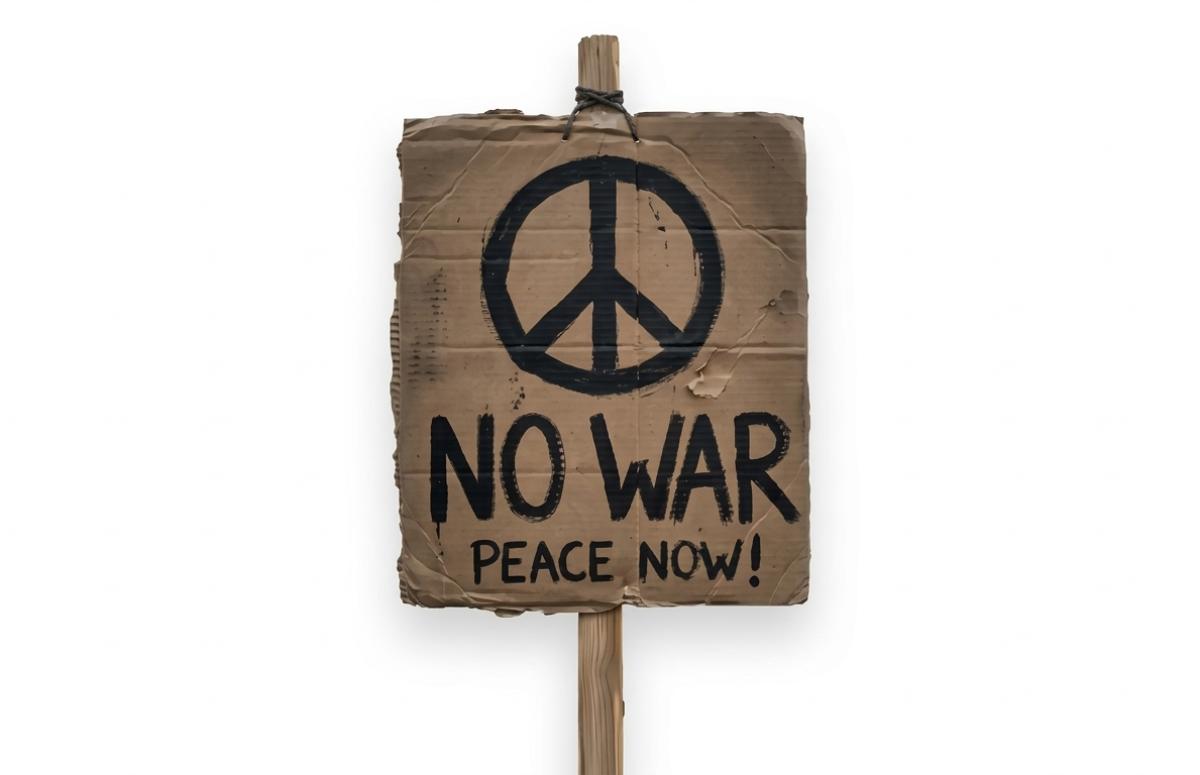
Can we still achieve peace?
On the day US troops formally withdrew from Iraq, TPP Principal Niki Palmer asks if we can still achieve peace and suggests how to improve peacebuilding interventions.
Podcast: Subsidies and Social Protection - Reforms for a Sustainable Transition
Why are subsidies so difficult to reform, even when more effective alternatives exist? In this podcast by Socialprotection.org, TPP Director Neil McCulloch examines the political, institutional and economic challenges that have made subsidy reform one of the most complex issues in social policy.
Governing climate action? Governance, political economy and systems change in country platforms
Climate Country Platforms promise to bring finance and policy together around national climate goals. But in this paper, Brendan Halloran argues they'll only deliver if they confront the political economy, power and governance barriers that keep holding climate action back — and he sets out how, with practical steps for governments, banks and funders.