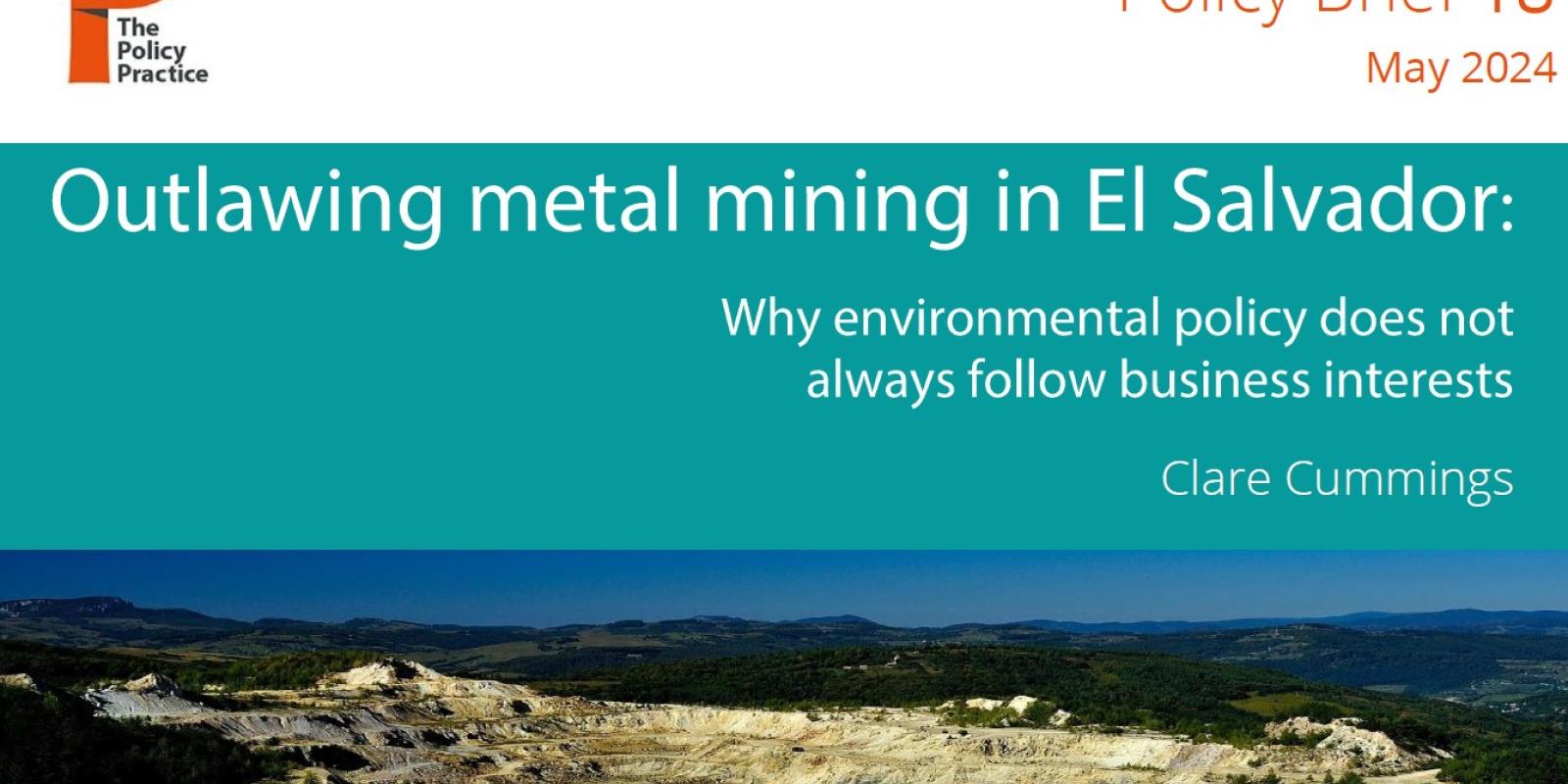
Policy Brief 18: Outlawing metal mining in El Salvador
This Policy Brief from TTP Associate Clare Cummings describes how a community-led campaign for ‘water over gold’ succeeded in banning metal mining in El Salvador.
In 2017, El Salvador passed a law that banned metal mining. In other countries in the region, mining continues to damage livelihoods and pollute water sources; in El Salvador, a community-led campaign for ‘water over gold’ succeeded.
This case study demonstrates how coalitions can bridge identity groups, how a problem can be framed to fit with popular political movements and how cultural identities can help mobilise people around environmental protection.
The following lessons from the anti-mining campaign’s success can inform politically aware programmes:
- Analyse the interests of the political elite, business leaders, rural communities and religious leaders. Understand their cultural identity, ideas and moral values.
- Build coalitions. Broaden support for your campaign to increase political pressure.
- Leverage international support.
- Frame your campaign within popular narratives and cultural values. Can key stakeholders be persuaded to see environmental protection differently?
- Lock it into law. Legislative change can send a strong message.
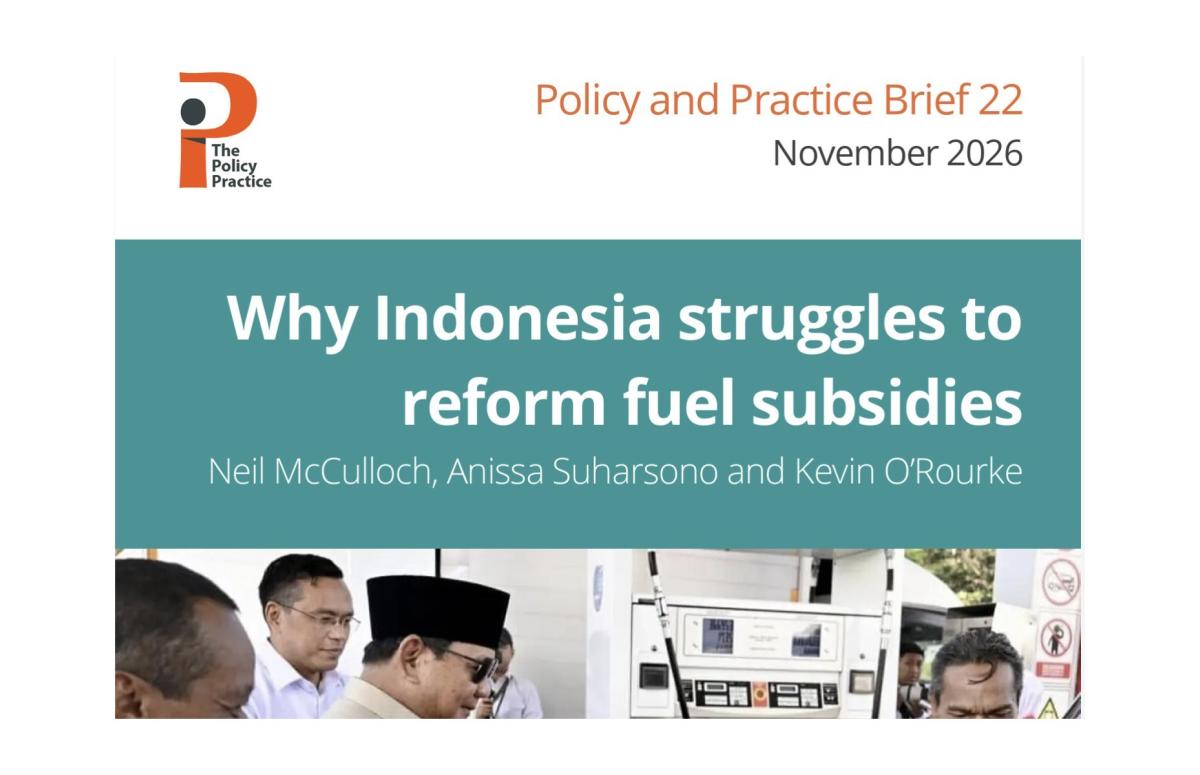
Policy and Practice Brief 22: Indonesian fuel subsidies
In our latest Policy and Practice Brief, TPP Director Neil McCulloch, Anissa Suharsono and Kevin O’Rourke explain why Indonesia still spends so much on fossil fuel subsidies and why reform is so hard. They show how reform could still happen, and what those who want change can do.
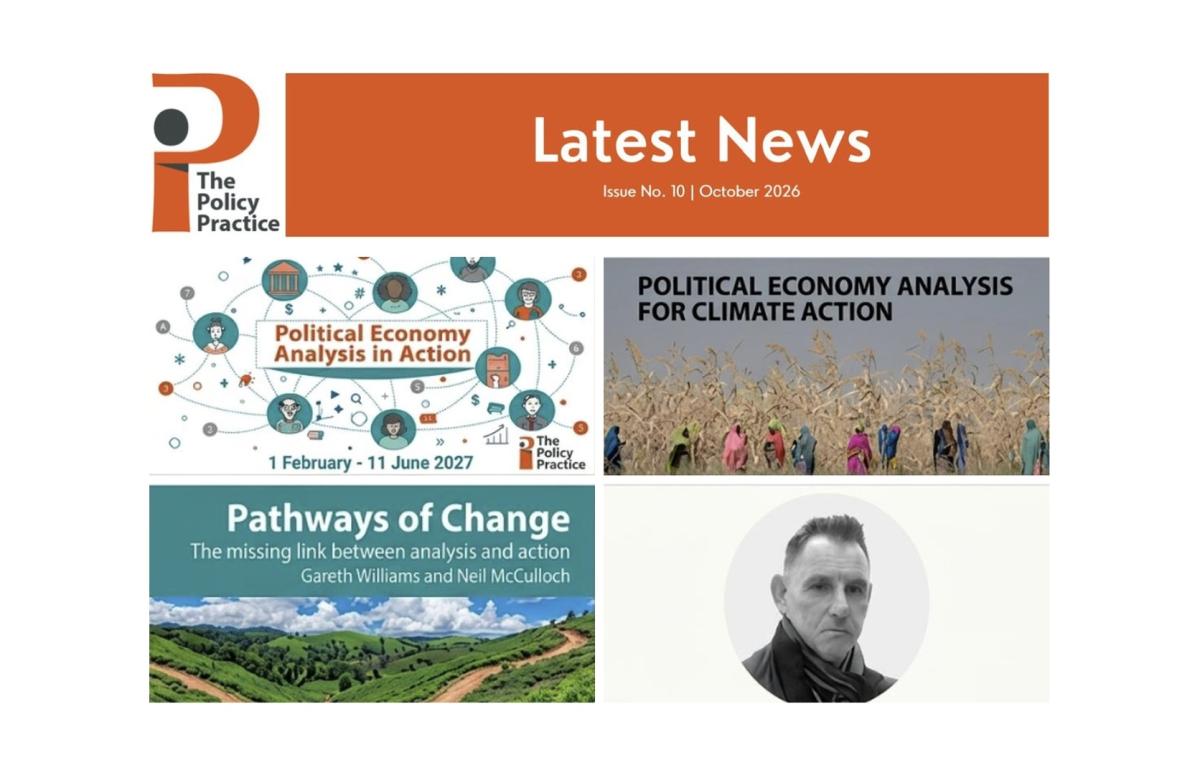
Latest Newsletter from TPP - October 2026
In our latest newsletter: a new Brief on pathways of change, our FCDO Sahel Technical Support Project, two PEA courses open for applications, an updated Online Library, and Steve Fraser appointed as our latest Principal.
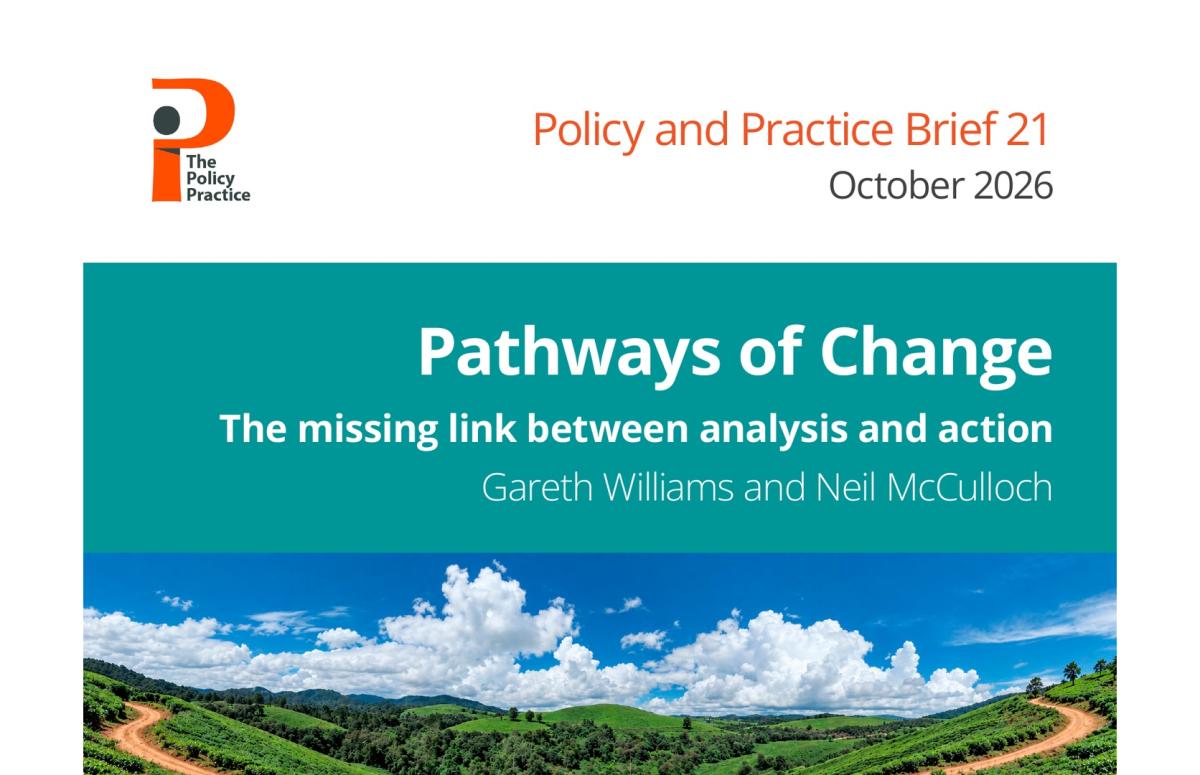
Policy and Practice Brief 21: Pathways of Change
Our new Policy and Practice Brief by TPP Directors Gareth Williams and Neil McCulloch sets out the Pathways of Change framework, a practical link between political economy analysis and action. Using examples from Ghana and Thailand, it shows how external partners can support change driven by domestic actors, based on a realistic analysis of how change might happen.