
Policy Brief 13: The political economy of pandemic prevention and preparedness in Africa
The huge costs of the COVID-19 crisis have revealed a global failure to learn lessons from previous health crises, and to invest sufficiently and consistently in the public goods of pandemic prevention, preparedness and response. This health security agenda has been seriously neglected in sub-Saharan Africa, which is in a weak position to respond to the present crisis and future pandemics.
Based on research conducted for the UK Foreign, Commonwealth & Development Office (FCDO)-funded Tackling Deadly Diseases in Africa Programme (TDDAP), this Policy Brief suggests that the neglect of the health security agenda in sub-Saharan Africa is above all a political economy problem best understood in terms of the political incentives facing leaders, institutionalised power relations and the collective action problems shaping health security systems and international funding. The Policy Brief explores five political economy problems that are found to be particularly undermining of pandemic prevention, preparedness and response, and develops recommendations for addressing each of these.
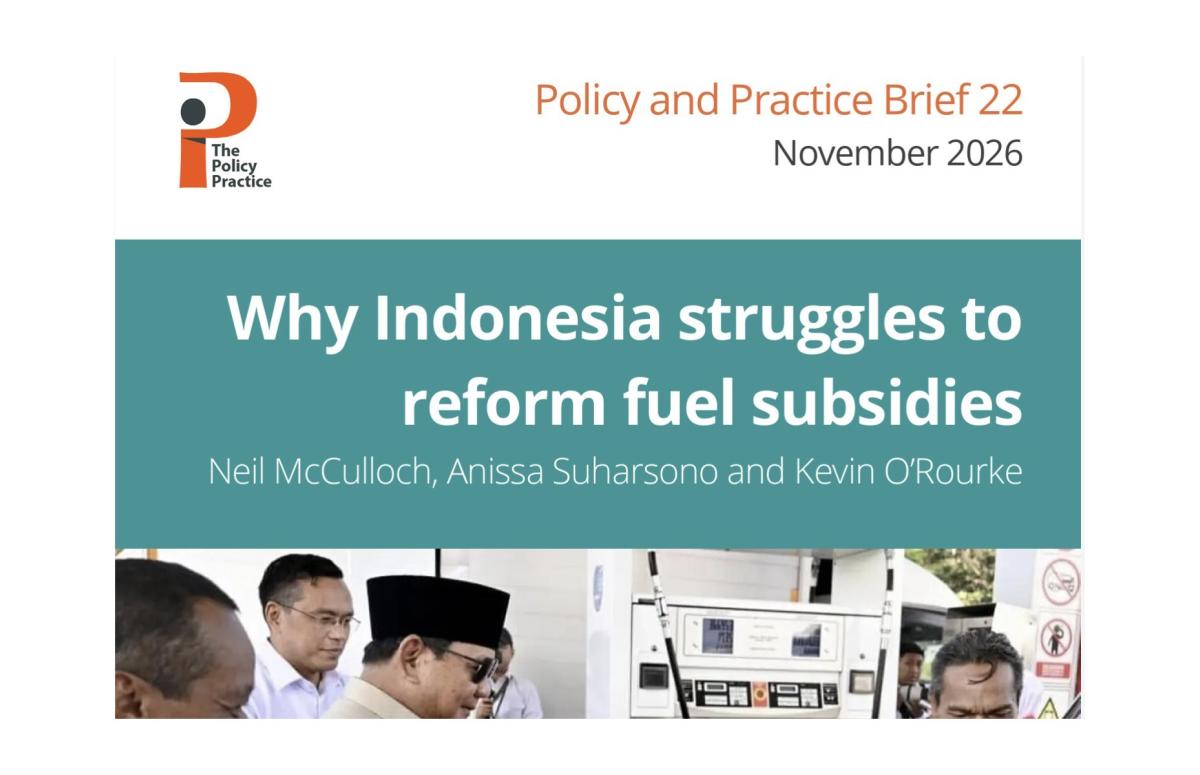
Policy and Practice Brief 22: Indonesian fuel subsidies
In our latest Policy and Practice Brief, TPP Director Neil McCulloch, Anissa Suharsono and Kevin O’Rourke explain why Indonesia still spends so much on fossil fuel subsidies and why reform is so hard. They show how reform could still happen, and what those who want change can do.
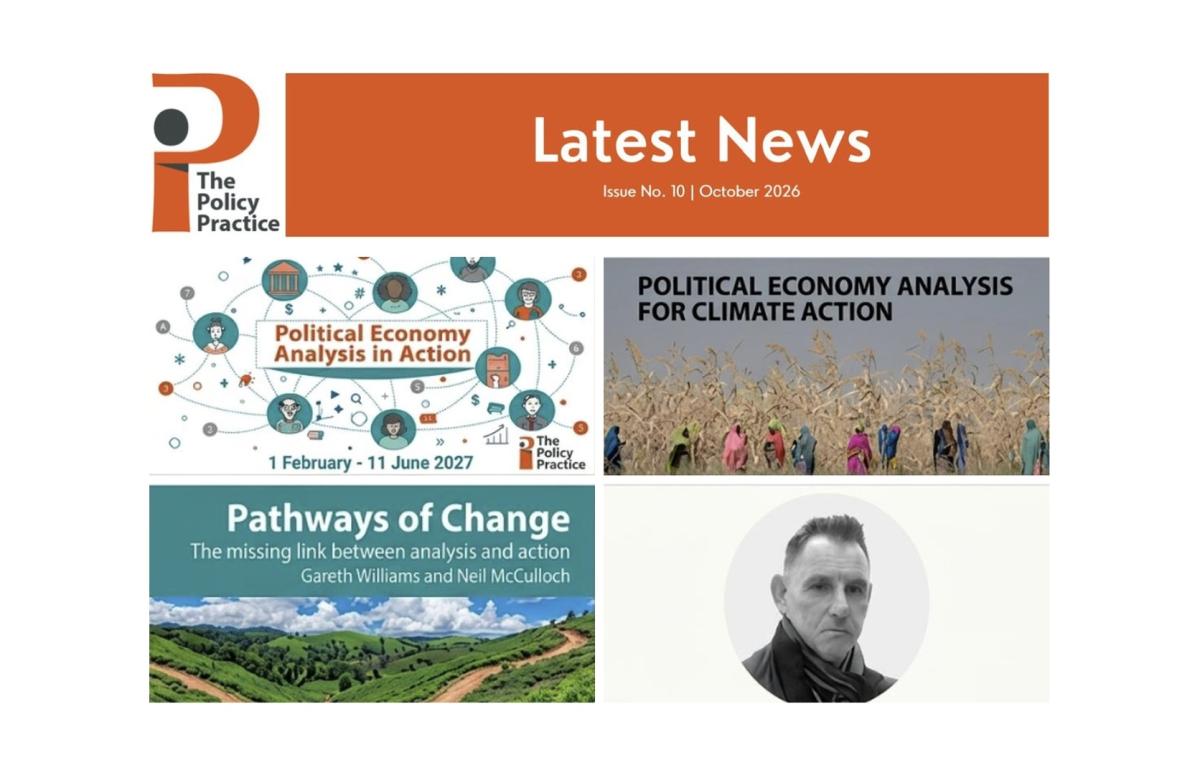
Latest Newsletter from TPP - October 2026
In our latest newsletter: a new Brief on pathways of change, our FCDO Sahel Technical Support Project, two PEA courses open for applications, an updated Online Library, and Steve Fraser appointed as our latest Principal.
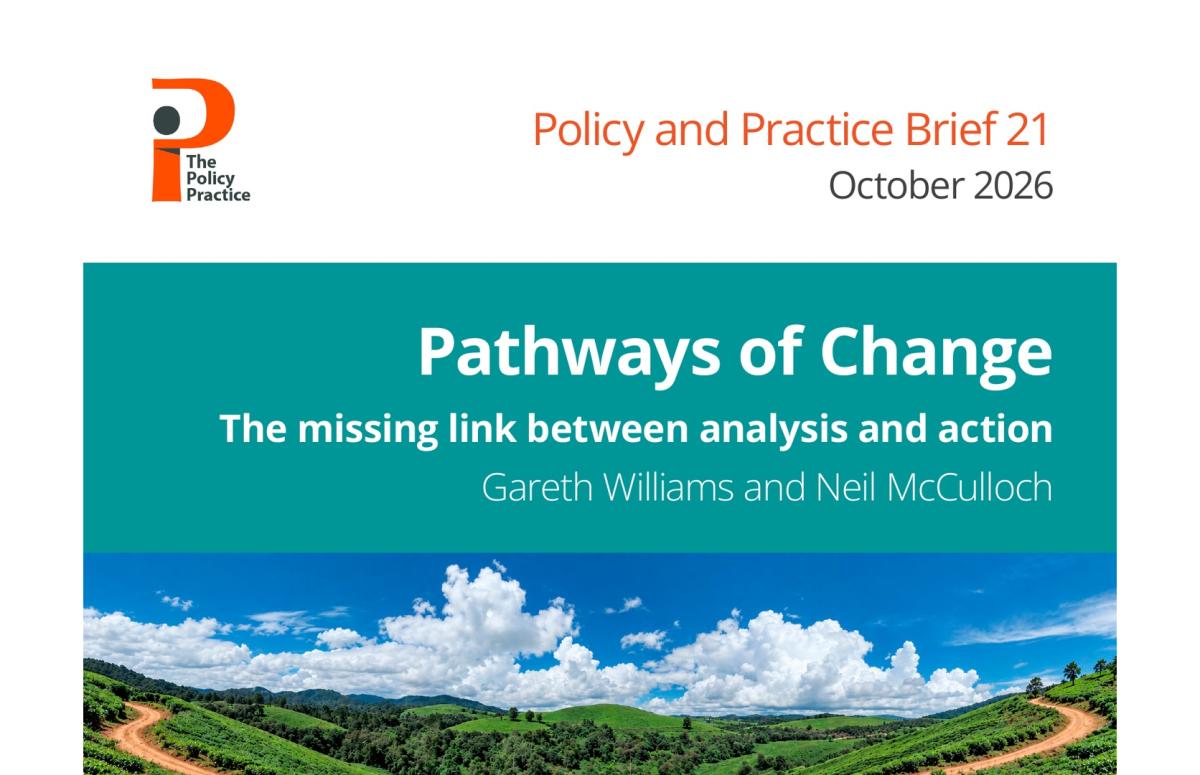
Policy and Practice Brief 21: Pathways of Change
Our new Policy and Practice Brief by TPP Directors Gareth Williams and Neil McCulloch sets out the Pathways of Change framework, a practical link between political economy analysis and action. Using examples from Ghana and Thailand, it shows how external partners can support change driven by domestic actors, based on a realistic analysis of how change might happen.