New paper on governance by Wilf Mwamba
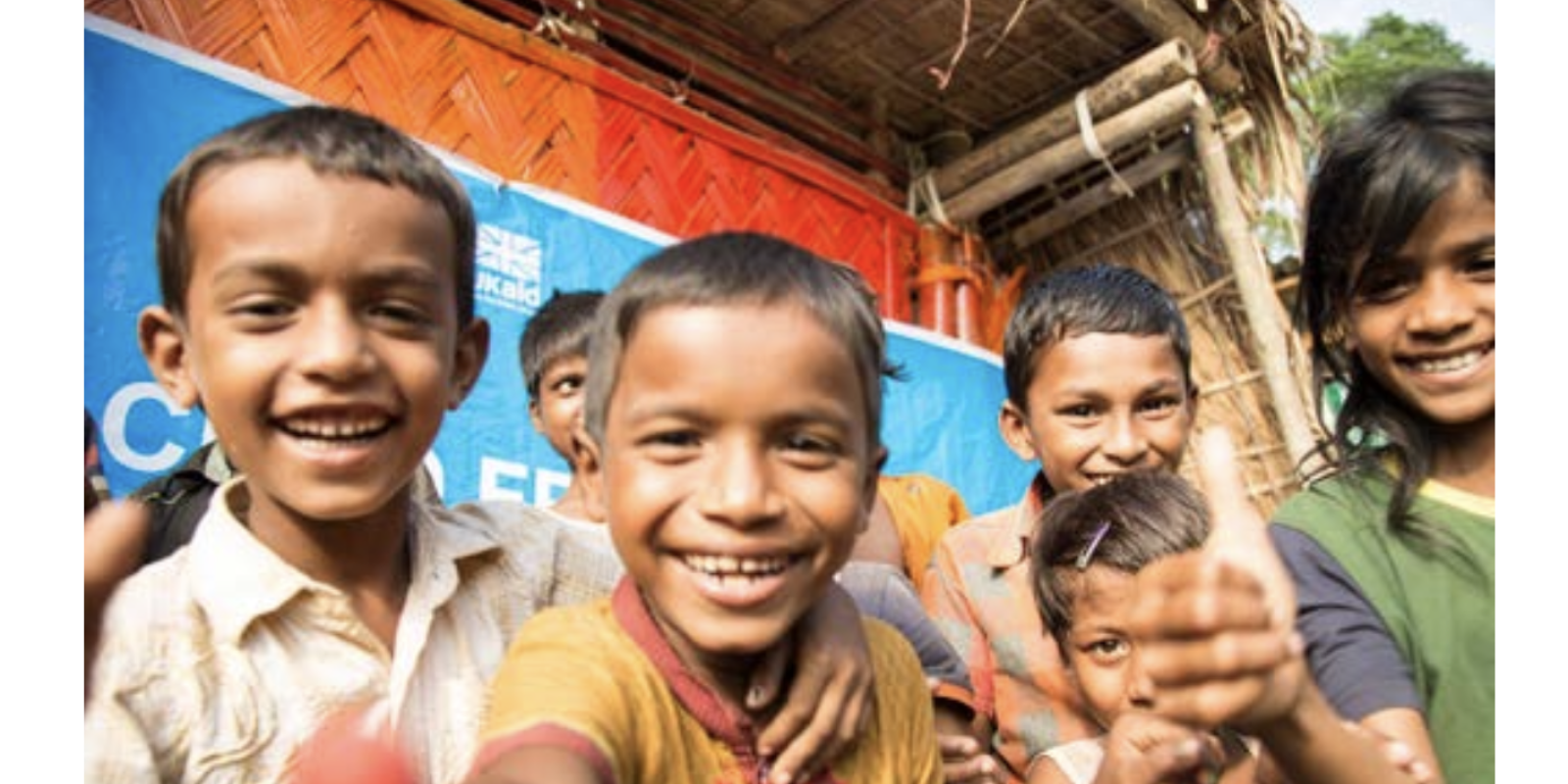
In 2006, the UK government’s White Paper Eliminating World Poverty: Making Governance Work for the Poor put governance at the heart of UK development policy for the first time. Twenty years on, this FCDO publication brings together researchers, practitioners and local people to answer two linked questions: (1) what will it take over the next decade to build governance that puts people first, and (2) what role should different actors play in achieving it?
The contributors are frank about how hard the present moment is: rising authoritarianism, democratic backsliding, the rollback of human rights and shrinking aid. They also point to sources of hope, particularly inclusion, locally led action and accountability, and they call for a humbler agenda that learns from the shortcomings of past approaches.
The collection includes:
- the voices of communities in Bangladesh and Nepal, gathered by The Asia Foundation
- reflections from Moazzam Malik, who led the 2006 White Paper team
- perspectives from the Peruvian Amazon and Palestine
- contributions from Thomas Carothers, Graham Teskey, Sara Pantuliano and Kathryn Nwajiaku-Dahou, among others
The publication also includes a contribution from TPP Principal Wilfred K. Mwamba, In “Governance that outlasts the funding: reformers, citizens and the unfinished business of 2006”, Wilfred K. Mwamba distils and updates his 2025 TPP Working Paper 6, Governance in a New Development Paradigm: Reformer Leadership and Partnership Humility where he argued that much past support did not last beyond the funding, because aid systems reward spending and visible activity, which he calls “performance theatre”. With aid falling sharply, he says the question is no longer how to do more with less, but what should outlast outside support.
In this contribution, Wilf adds a new emphasis on citizens’ voice alongside reformer leadership. Local ownership, he argues, describes who directs a reform, not whose interests it serves. A reform can be locally led and lasting, yet still serve a narrow group. Reformer leadership and citizens’ voice can reinforce each other. But the two aims can also pull apart when powerful people resist scrutiny. Wilf calls on outside partners to:
- ask who benefits from a reform before backing it
- fund the channels citizens use to hold power to account
- be ready to step back where local ownership shuts citizens out
His test for the next decade combines both: what would remain if support ended tomorrow, and can the people affected hold those responsible to account?
Policy and Practice Brief 22: Indonesian fuel subsidies
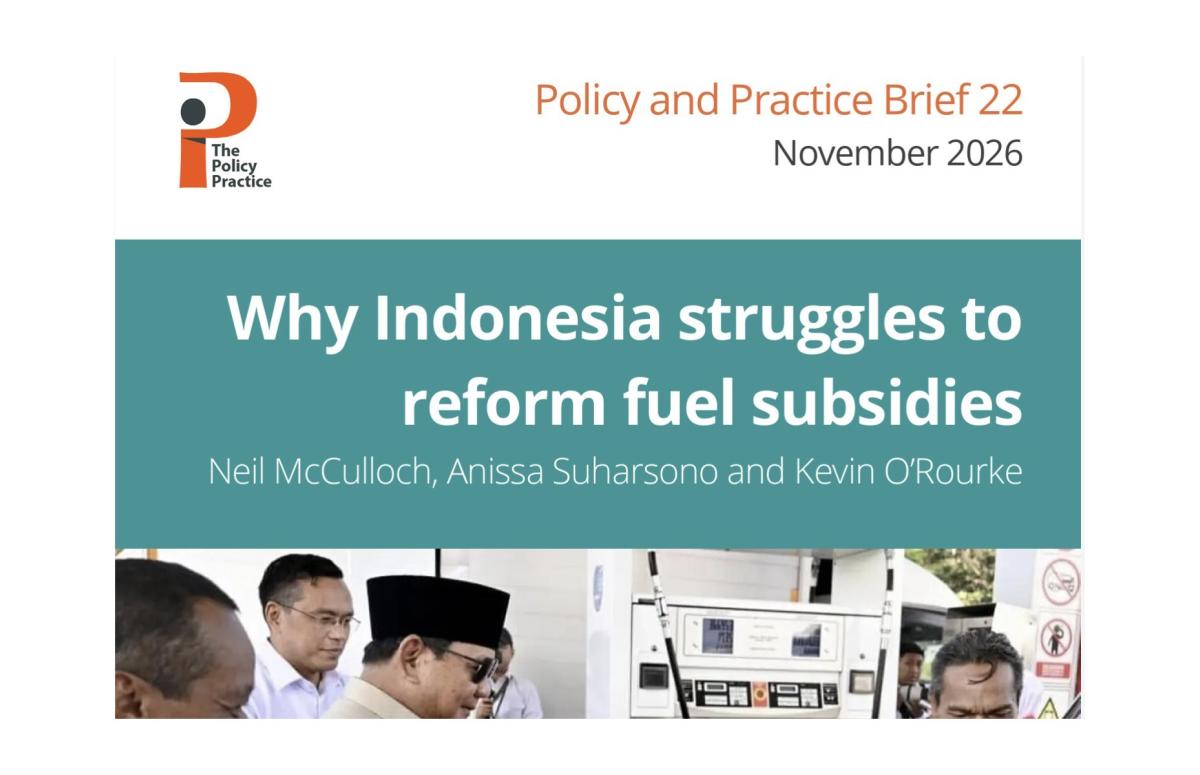
In our latest Policy and Practice Brief, TPP Director Neil McCulloch, Anissa Suharsono and Kevin O’Rourke explain why Indonesia still spends so much on fossil fuel subsidies and why reform is so hard. They show how reform could still happen, and what those who want change can do.
Latest Newsletter from TPP - October 2026
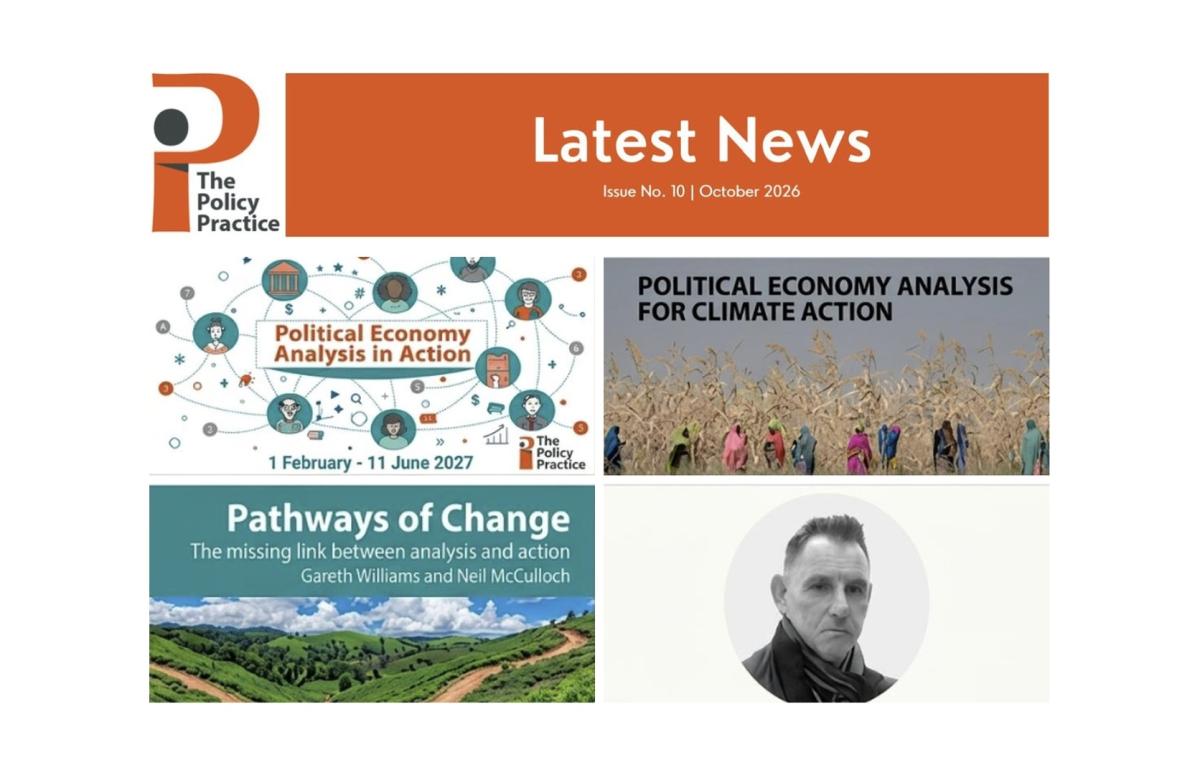
In our latest newsletter: a new Brief on pathways of change, our FCDO Sahel Technical Support Project, two PEA courses open for applications, an updated Online Library, and Steve Fraser appointed as our latest Principal.
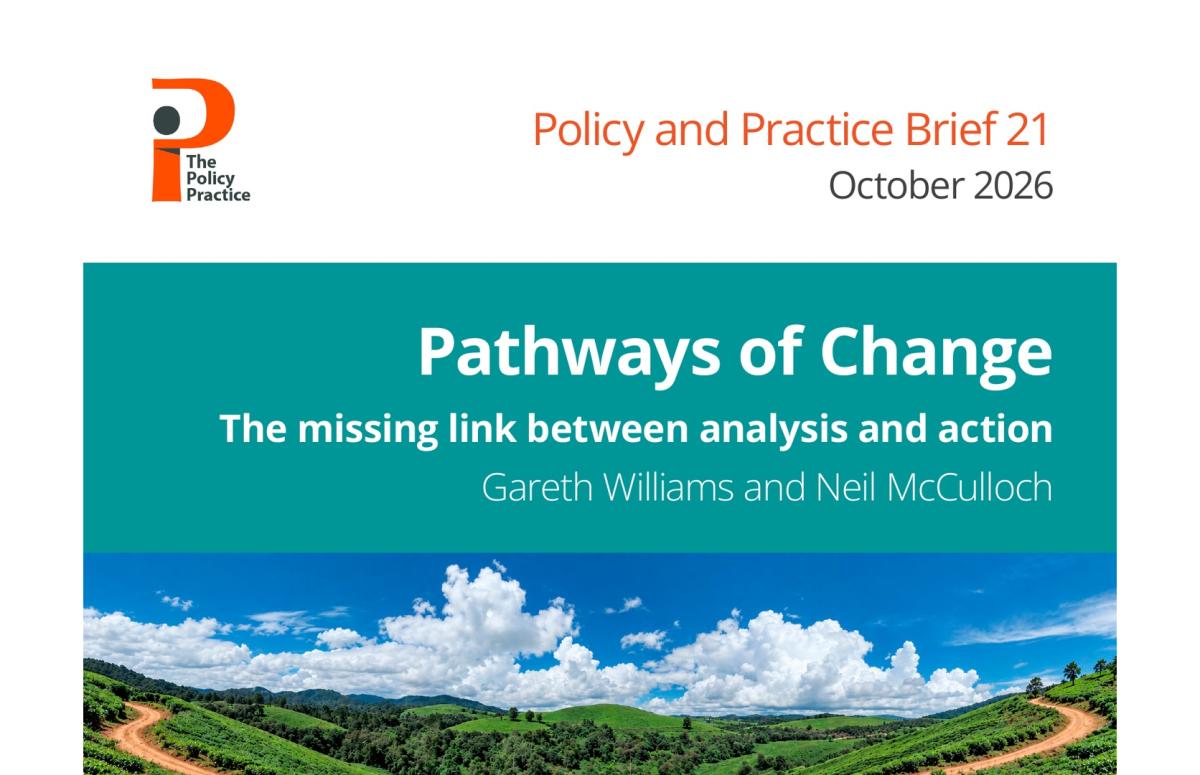
Policy and Practice Brief 21: Pathways of Change
Our new Policy and Practice Brief by TPP Directors Gareth Williams and Neil McCulloch sets out the Pathways of Change framework, a practical link between political economy analysis and action. Using examples from Ghana and Thailand, it shows how external partners can support change driven by domestic actors, based on a realistic analysis of how change might happen.