A New Paradigm for Aid
In the wake of the 2025 collapse of USAID and the sharpest UK aid cuts in history, The Policy Practice Director Neil McCulloch is calling for a bold shift in how international aid is conceived and delivered. Current debates on how to restructure aid focus on how to “do more with less” e.g. by focussing on multilateral institutions, fragile states, humanitarian aid, or soft power. Instead, Neil proposes a “transformational” approach to aid that prioritises coalitions of domestic changemakers. Drawing on political economy analysis, McCulloch advocates identifying and supporting local actors with the potential to drive meaningful reform in their own societies. This means moving away from imposing external solutions and towards a model of adaptive, low-cost, and politically informed engagement.
His model emphasises experimentation, local ownership, and a blending of development, diplomacy, and security tools to support sustainable change. McCulloch suggests that the UK and US aid sector’s recent dismantling could open the door for this leaner, more effective approach—one rooted in how real development has historically occurred. The blog calls for a reimagining of aid as a long-term, locally driven process, not just a transaction for measurable results.
This post was originally published on the LSE Activism, Influence and Change Programme blog here.
Policy and Practice Brief 21: Pathways of Change
Our new Policy and Practice Brief by TPP Directors Gareth Williams and Neil McCulloch sets out the Pathways of Change framework, a practical link between political economy analysis and action. Using examples from Ghana and Thailand, it shows how external partners can support change driven by domestic actors, based on a realistic analysis of how change might happen.
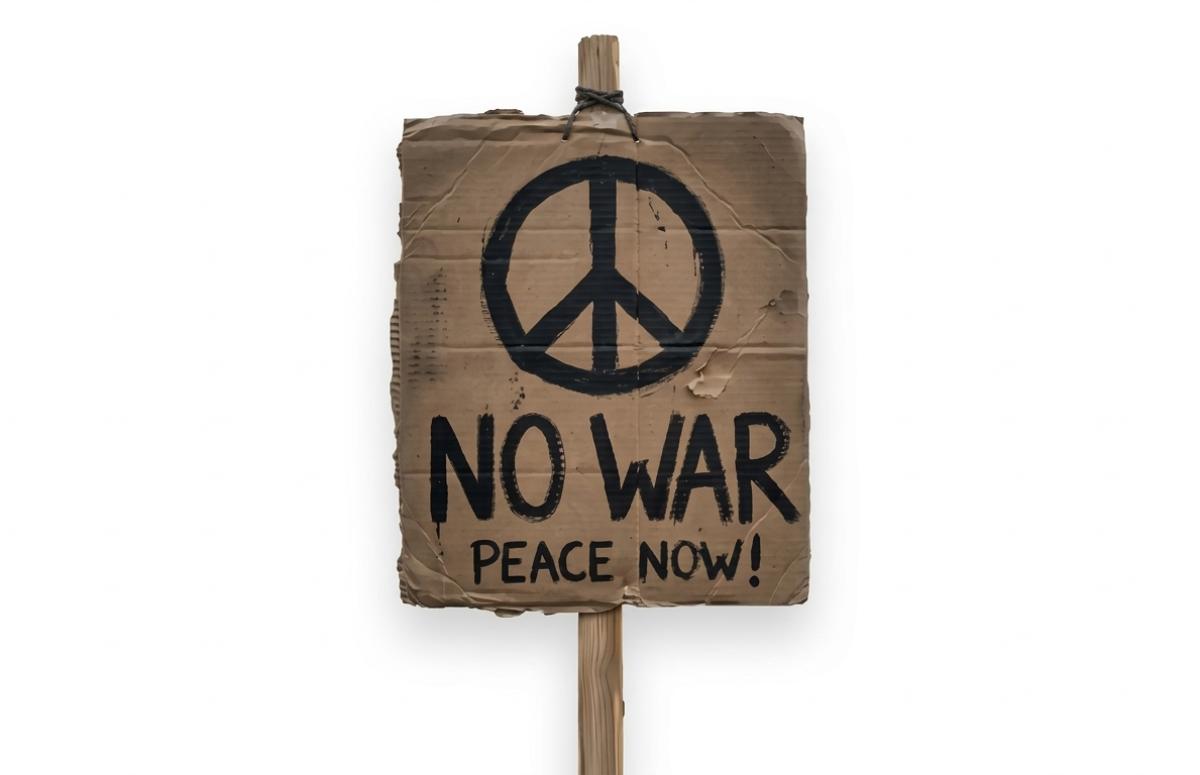
Can we still achieve peace?
On the day US troops formally withdrew from Iraq, TPP Principal Niki Palmer asks if we can still achieve peace and suggests how to improve peacebuilding interventions.
Podcast: Subsidies and Social Protection - Reforms for a Sustainable Transition
Why are subsidies so difficult to reform, even when more effective alternatives exist? In this podcast by Socialprotection.org, TPP Director Neil McCulloch examines the political, institutional and economic challenges that have made subsidy reform one of the most complex issues in social policy.