
The political economy of a green recovery in Ukraine - Policy Brief 16
This Policy Brief discusses the political economy of a green recovery in Ukraine. It analyses how corruption might inhibit green, equitable and sustainable reconstruction in Ukraine, the drivers of this corruption and the political opportunities for tackling it. It recommends joining up the anti-corruption and environmental reform agendas, ensuring citizen and community involvement in post-war recovery and building on wartime community self-help initiatives.
The brief is based on research undertaken in 2022 by Anna Paterson, Andrii Biletskyi, Lyubov Palyvoda and Sam Bickersteth for the Worldwide Fund for Nature (WWF) Ukraine, with support from the Targeting Natural Resource Corruption project.
Policy and Practice Brief 21: Pathways of Change
Our new Policy and Practice Brief by TPP Directors Gareth Williams and Neil McCulloch sets out the Pathways of Change framework, a practical link between political economy analysis and action. Using examples from Ghana and Thailand, it shows how external partners can support change driven by domestic actors, based on a realistic analysis of how change might happen.
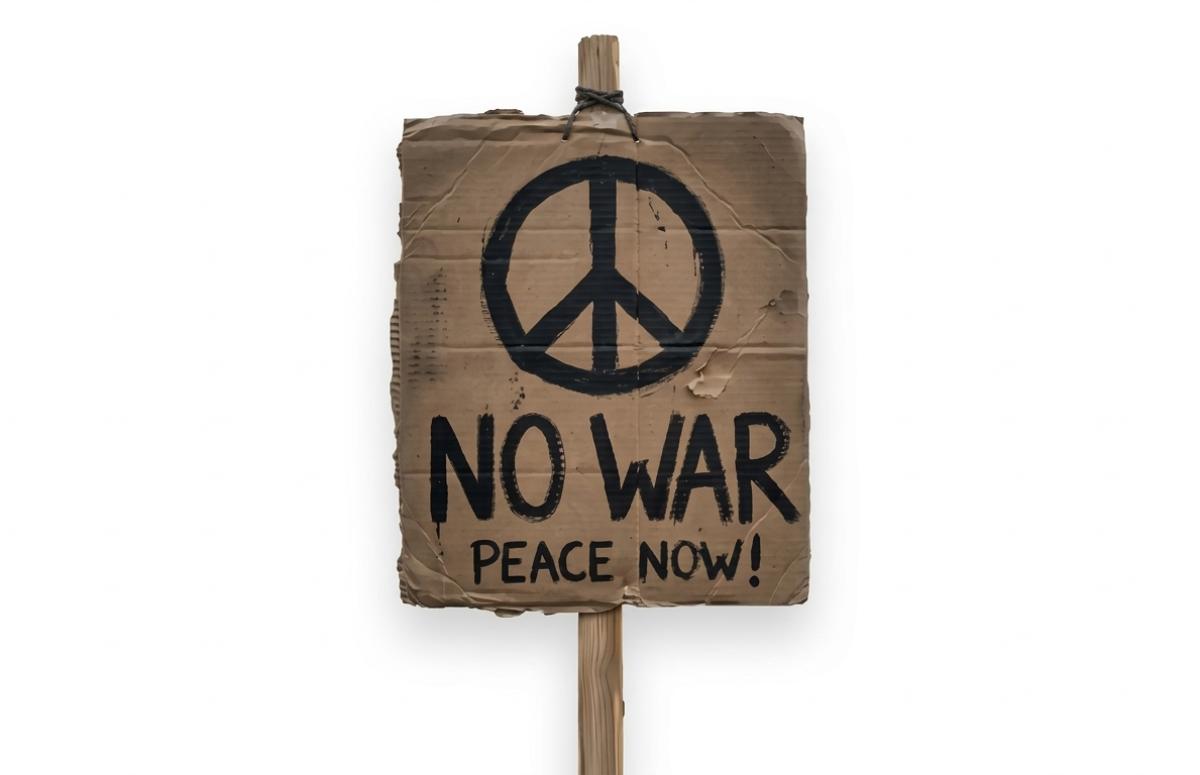
Can we still achieve peace?
On the day US troops formally withdrew from Iraq, TPP Principal Niki Palmer asks if we can still achieve peace and suggests how to improve peacebuilding interventions.
Podcast: Subsidies and Social Protection - Reforms for a Sustainable Transition
Why are subsidies so difficult to reform, even when more effective alternatives exist? In this podcast by Socialprotection.org, TPP Director Neil McCulloch examines the political, institutional and economic challenges that have made subsidy reform one of the most complex issues in social policy.