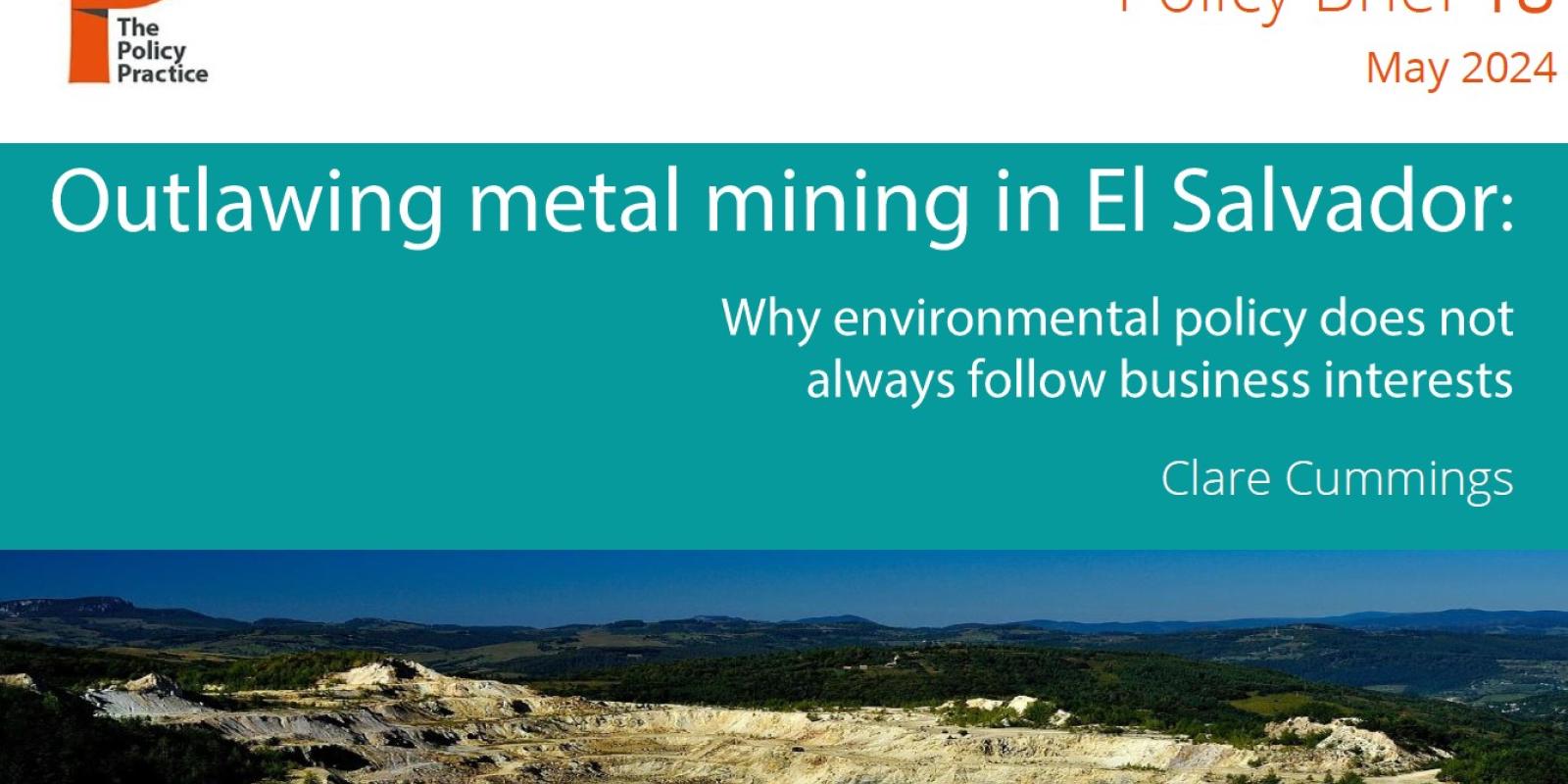
Outlawing metal mining in El Salvador - Policy Brief 18
This Policy Brief from TTP Associate Clare Cummings describes how a community-led campaign for ‘water over gold’ succeeded in banning metal mining in El Salvador.
In 2017, El Salvador passed a law that banned metal mining. In other countries in the region, mining continues to damage livelihoods and pollute water sources; in El Salvador, a community-led campaign for ‘water over gold’ succeeded.
This case study demonstrates how coalitions can bridge identity groups, how a problem can be framed to fit with popular political movements and how cultural identities can help mobilise people around environmental protection.
The following lessons from the anti-mining campaign’s success can inform politically aware programmes:
- Analyse the interests of the political elite, business leaders, rural communities and religious leaders. Understand their cultural identity, ideas and moral values.
- Build coalitions. Broaden support for your campaign to increase political pressure.
- Leverage international support.
- Frame your campaign within popular narratives and cultural values. Can key stakeholders be persuaded to see environmental protection differently?
- Lock it into law. Legislative change can send a strong message.
Policy and Practice Brief 21: Pathways of Change
Our new Policy and Practice Brief by TPP Directors Gareth Williams and Neil McCulloch sets out the Pathways of Change framework, a practical link between political economy analysis and action. Using examples from Ghana and Thailand, it shows how external partners can support change driven by domestic actors, based on a realistic analysis of how change might happen.
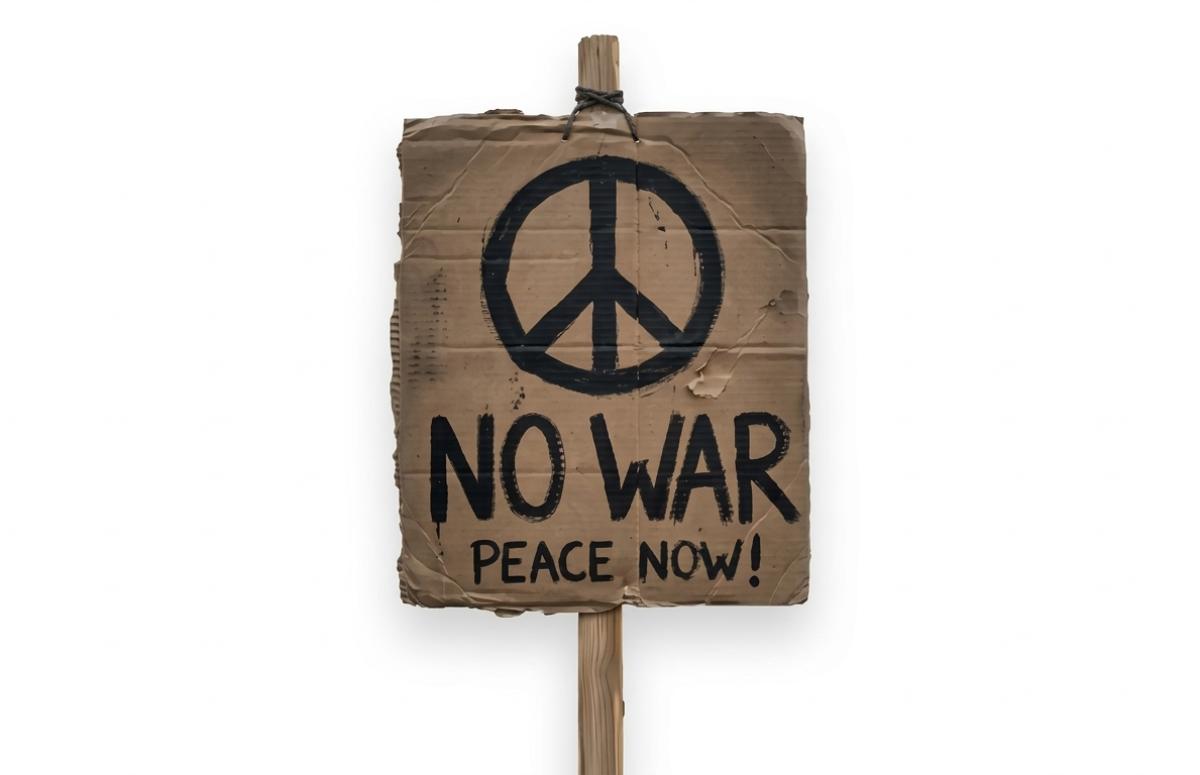
Can we still achieve peace?
On the day US troops formally withdrew from Iraq, TPP Principal Niki Palmer asks if we can still achieve peace and suggests how to improve peacebuilding interventions.
Podcast: Subsidies and Social Protection - Reforms for a Sustainable Transition
Why are subsidies so difficult to reform, even when more effective alternatives exist? In this podcast by Socialprotection.org, TPP Director Neil McCulloch examines the political, institutional and economic challenges that have made subsidy reform one of the most complex issues in social policy.